

































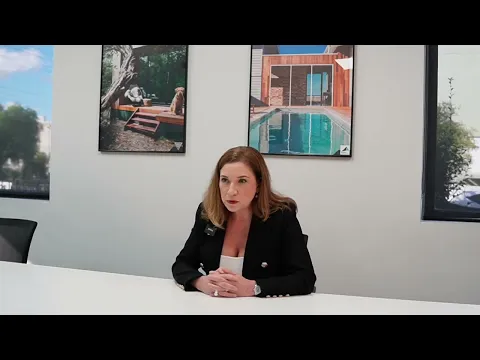
I'm Sam Halcrow. If your app was built with an AI tool, it probably runs on Supabase. My team of 26 engineers secures your data, fixes logins and access rules, and gets your app ready for real customers. I lead every project and check the work before it goes live.

A letter from one business leader to another
What to check before your app goes live
What we build
What my team does with Supabase
Taking over an AI-built app
Built with Lovable, Bolt or v0? We review the code, the database and the settings, then fix what matters first.
Logins and user accounts
Sign-up, sign-in, password resets, roles and team accounts that hold up with real users.
Getting ready to grow
Faster queries, sensible indexes and running costs you can predict as users sign up.
Securing your data
Access rules, keys and storage permissions set up so each customer only sees what they should.
Payments and subscriptions
Stripe connected properly, so payments, renewals and refunds land in the right place.
New apps on Supabase
The first version built properly from the start, with tests and backups in place.
Why so many apps are built on Supabase
Built on Postgres
Underneath is Postgres, one of the most trusted databases there is. Your data isn't locked in.
Logins and storage included
User accounts, file storage and APIs come built in, so less has to be built from scratch.
What AI tools use by default
Lovable, Bolt and v0 all set up Supabase, so most AI-built apps already run on it.
The fixed-price trap
A fixed price usually means corners get cut where you can't see them
Most agencies quote a build by counting features. But much of the work that keeps an app secure and easy to change never shows up as a feature. When the budget gets tight, that's the work that gets dropped.
What the fixed-price agency does
Quotes by counting features, before they understand what you need
Skips access rules and testing to hit the price
Builds what was agreed in month one, even if it's no longer right
Charge for every change request
Leaves keys and settings the way the AI tool set them up
What we do instead
Work out what you actually need before quoting the full build
Set up access rules properly and test them, so customers only see their own data
Plan for the scope to change
Charge for the work that's actually done
Keep your database backed up and monitored after launch
Give you CTO leadership on every project. I make the technical decisions with you and check the work before it reaches your customers
“Sam took the time to understand our business and knew all the tech we needed. It was a pleasure to work with him and his team as they acted as an extension of our team.”

Luke Schwigtenberg
Head of R&D, Banktech
“In a short period of time, Sam demonstrated an exceptional ability to align the right technical expertise with our specific needs.”

Tim Buric
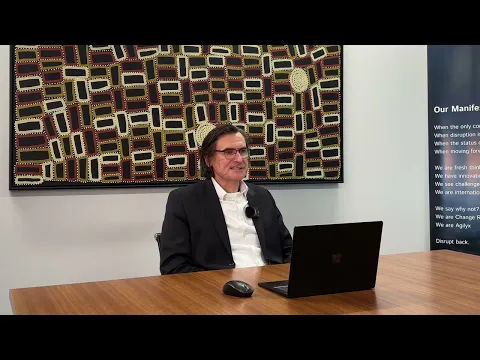
CTO, Agilyx
FREE GUIDE
NEVER AGAIN
Not sure what a fair quote looks like? Never Again is my free guide to judging custom software projects before you sign.
Included in every project
I lead every project as your Fractional CTO
Along with my developers, you get me. I make the technical decisions with you and keep you updated. Here's what that looks like each month.
What it looks like
With a technical leader on your side, every decision has someone checking it

Technical strategy and roadmap
What to build first, what to leave out, and what it should cost - all written before anyone quotes you.

Quote and vendor evaluation
I read the proposals and contracts and tell you which to trust.

Decisions before code is written
Custom or off the shelf, what goes into version one and how it connects to what you already use. I'll help you make the decision early, with your interests in mind.

Running the build
Weekly check-ins, releases in stages and your staff using it early. You see progress every week.

Code, security and cost reviews
Whether what's been built is any good, whether it's secure and what it will cost to run, with a clear list of what to fix first.

Hiring and structuring your tech team
Who you need, how to vet them, and how to set up the team so it works without you chasing it.
What you get
1
And keeps working without needing a rebuild a year later.
2
Weekly updates you can follow.
3
You approve costs before they're spent, and you know what they're for.
4
You make each decision with a technical leader on your side.













How we work
A small team, led by me from start to finish
I take on no more than a dozen clients at a time, so I'm across every project. After the audit, what happens next is up to you. If we work together, I lead the project and my team builds it. Here's what that looks like.
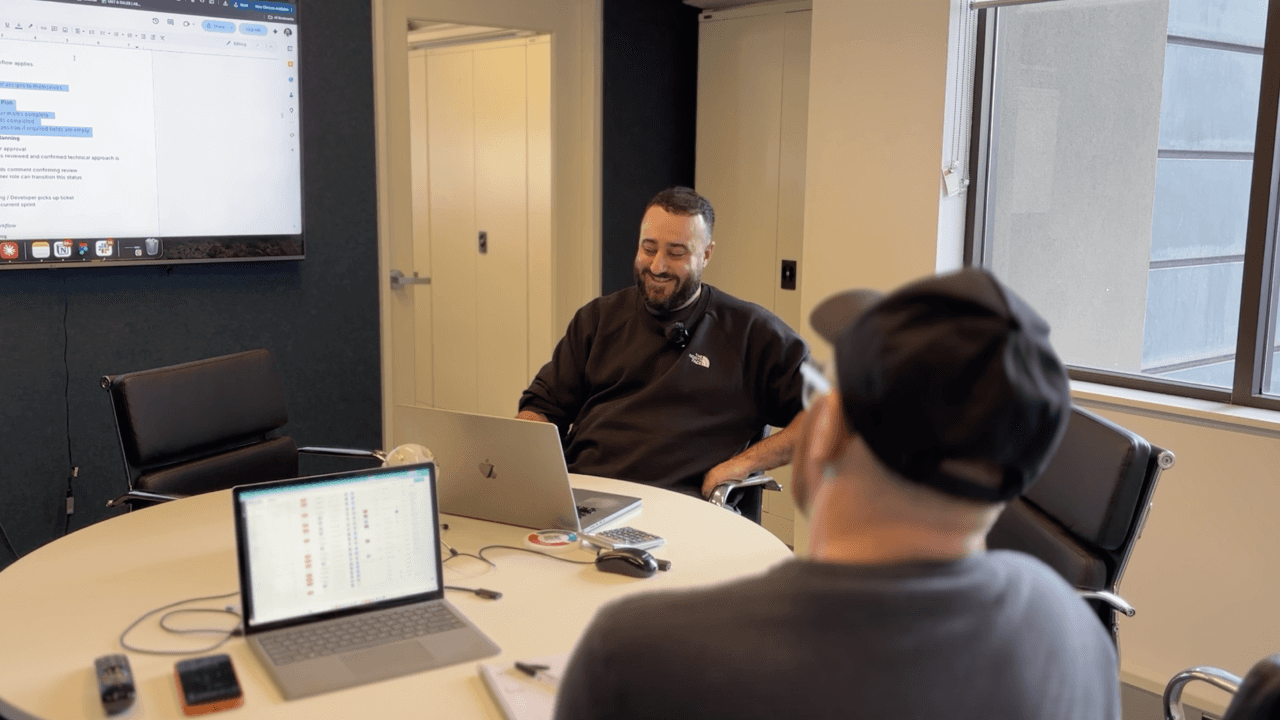
Before we build
We agree on what the software needs to achieve
More downloads, more repeat orders, fewer support calls, hours saved for your team. We set the goal first and measure the build against it.

Leadership
I make the technical decisions for you
Custom or off the shelf, which cloud provider, how it connects to your other software, whether AI belongs in it. I decide these before any code is written and explain why, so you're never confused.

During the build
You deal directly with me and the developers working on your software. Daily check-ins mean there are no surprises. Ever.
how we build in 2026
Software is built differently now
It's 2026. Good engineering teams now use AI agents to write, test and check code. This is called agentic engineering, and it's how we build every project.
It means faster delivery and a lower bill for you.


Agents do the routine work
AI agents write and test code through a plan I set, one ticket at a time. You see every ticket.
Engineers check every change
A senior engineer reviews every change before it's released. Nothing goes live without a person signing off.
You pay for less time
Months of work lands in days. The difference goes into your budget, not my margin.

Launch
We roll it out in stages
My team builds in stages and gets your staff or customers using it early, so it fits the way they actually work.

After launch
We keep it working
My team keeps your software running, fixes issues as they come up and adds features as your business grows.
Security
The right level of security for your business
Not every product needs bank-level security. Some do. I'll work out what yours needs, and keep it in proportion to your risks and your budget.
You get the risks explained without jargon, so you can decide. If you want the technical detail, I'm happy to go as deep as you like.


Sensible basics, always
Encrypted data, two-factor sign-in and tested releases are standard on every project.
Risks you can understand
A short list of risks, what each could cost you, and what it takes to fix. You decide what to act on.
As technical as you want
If you or your team want the detail, I'll walk you through it. If you don't, I'll stick to the non-technical overview.
Frequently asked questions
Answers to everything you're thinking
My app was built with Lovable, Bolt or v0. Can you take it over?
Is my app's data secure?
Will we have to rebuild it?
Can we move off Supabase later?
What do I get from the free audit?
Who leads the project?
Will I deal with the developers directly?
How much does it cost?
Who owns the code?
How soon can you start?

Fractional CTO and engineering team for founders and business leaders. Sydney, Australia.
© 2026 Halcrow · Privacy Policy