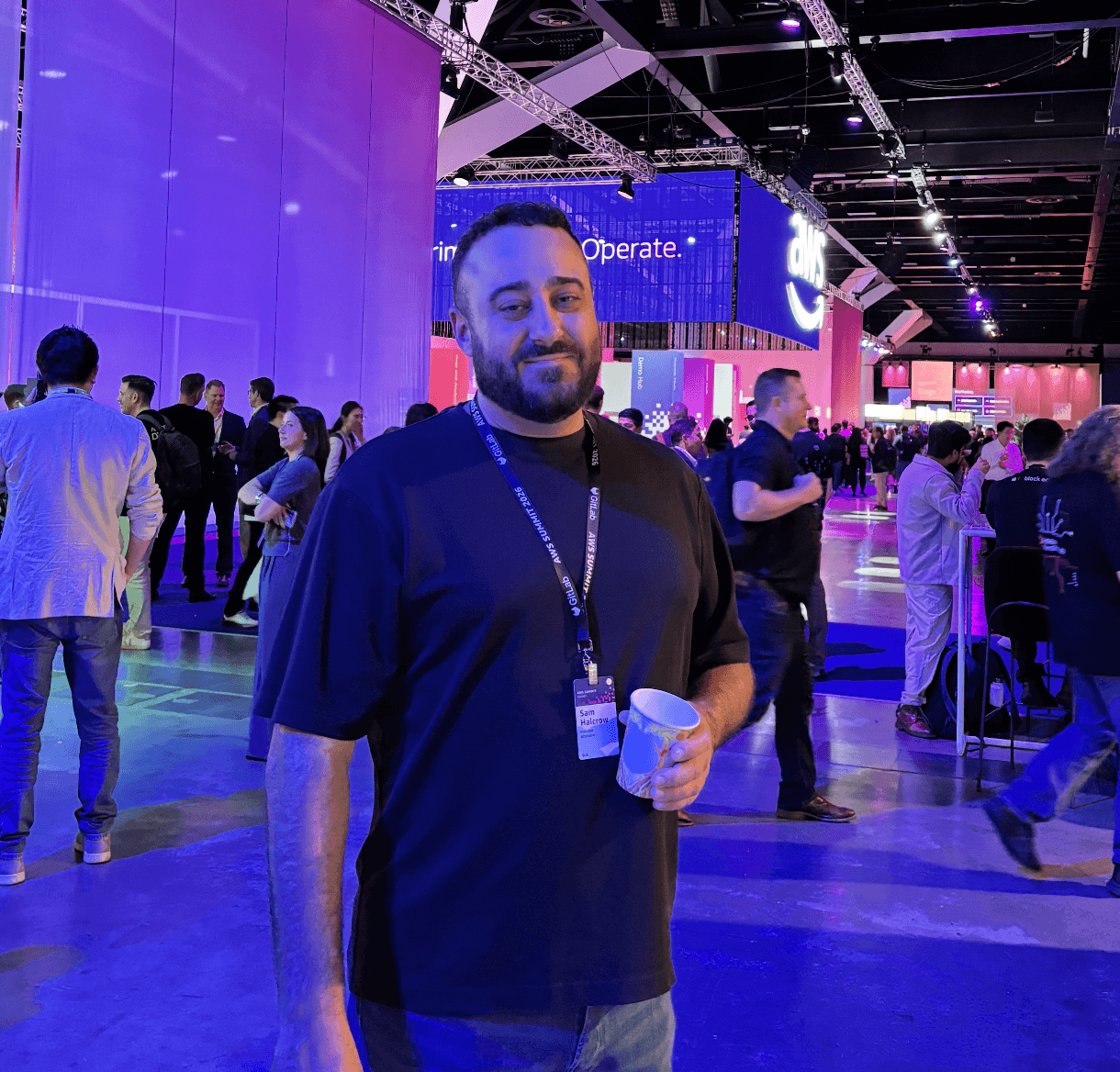
Sam Halcrow
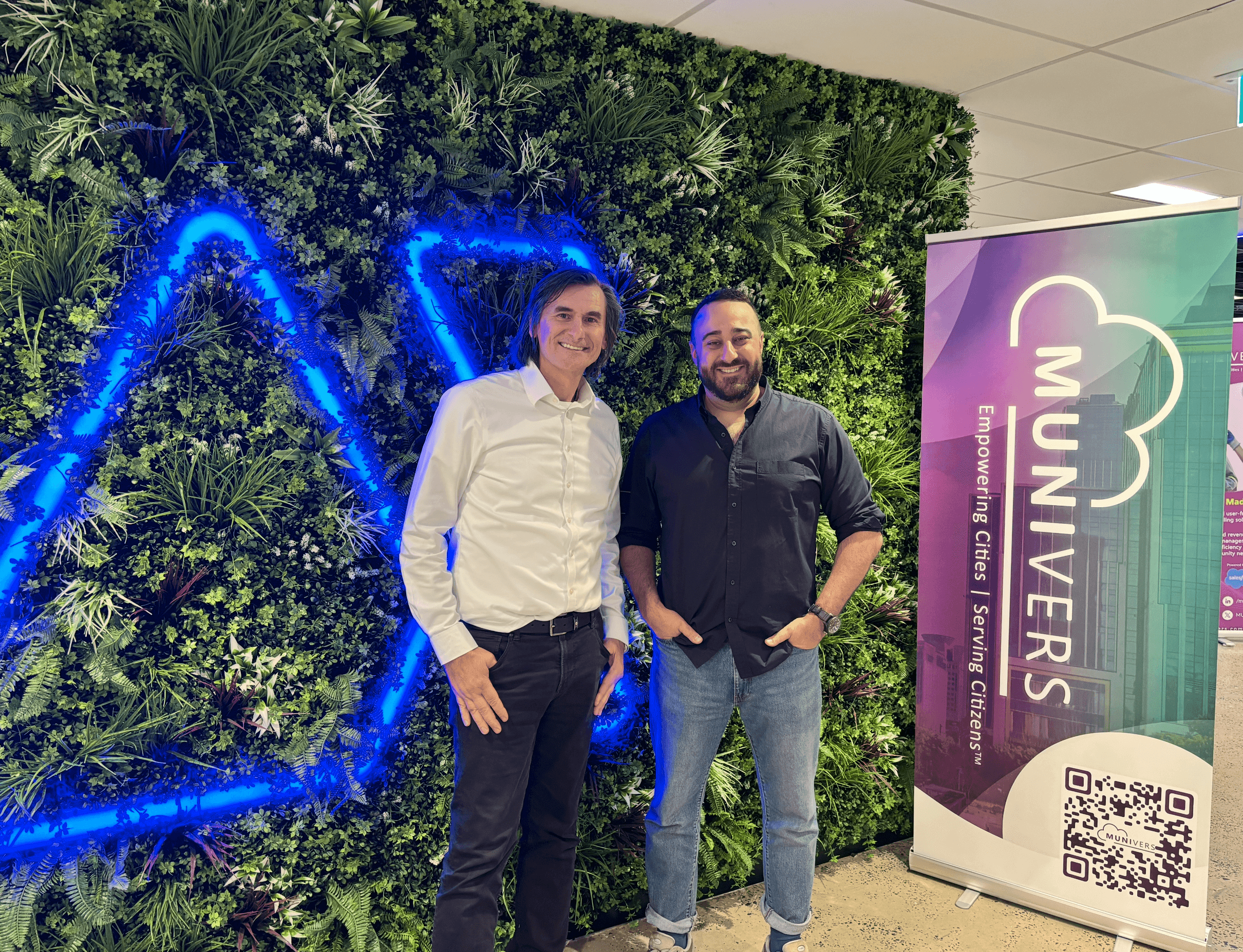
Tim is CTO of Agilyx. Halcrow has worked closely with him, having been embedded inside MuniVERS — their Salesforce-based municipal ERP platform serving local councils across Australia and New Zealand. Rates billing, utility management, land tax, payment processing. High-stakes work with real deadlines and real councils depending on it.
What Tim talked about on camera
We structured the conversation as a genuine look-back, and Tim didn't hold back.
He walked through what Agilyx looked like before we came in: the coordination overhead, the slow decisions, the status meetings that happened because nobody quite knew what anyone else was doing.
He talked about the moment things started to shift. Not a single dramatic breakthrough, but a gradual change in how the team felt. Developers who'd been working in isolation starting to coordinate more naturally, blockers getting surfaced and resolved faster, the client relationship settling as delivery became more predictable.
He reflected on the maturity assessment we did together, which was an honest, structured look at where Agilyx's delivery practices sat against where they needed to be, and a plan to close those gaps methodically.
He was direct about the results. The June 2025 deployment landed on time — their first on-time delivery in eighteen months. Legacy app decommissioned June 2026 as planned. Sprint velocity variance dropped from 45% to 14%. Story completion climbed from 60% to 87%.
And he talked about what comes next: Agilyx running independently. Which was always the point.
The bit that stayed with me
At one point Tim said something that gets at what actually happened over those two years.
The change at Agilyx wasn't about Salesforce or scrum. It was about having someone in the room who'd been there before — who could say "this is normal, here's how to handle it," rather than the team having to figure it out under pressure.
That's something you can't replicate with a workshop or a consulting report. It comes from being embedded long enough that you're part of the system you're trying to stabilise. You see the dynamics in real time. You unblock things on the day they block, not in a quarterly review.
By October 2025, Agilyx was running its own ceremonies independently. The capability transfer was done. We rolled off. That was the goal from the first conversation.
Why we do this kind of content
We've been writing about our work for a while. But there's something different about sitting down with a real CTO, willing to be on camera, and asking: did it work?
Tim said yes. In his own words, with specificity about what changed and why. That's harder to get than a written testimonial, and more useful to anyone trying to decide whether Halcrow is the right call for their situation.
The video will be out shortly. In the meantime, if you're leading a technology initiative that's working hard but not delivering predictably (the kind of situation Tim described at Agilyx in 2024) the right first step is a call with Sam Halcrow. We'll tell you quickly whether we think we can help, and how.