







































16+ yrs
Leading technology initiatives
253
Companies I’ve stepped into
1M+
Engineering hours under my leadership
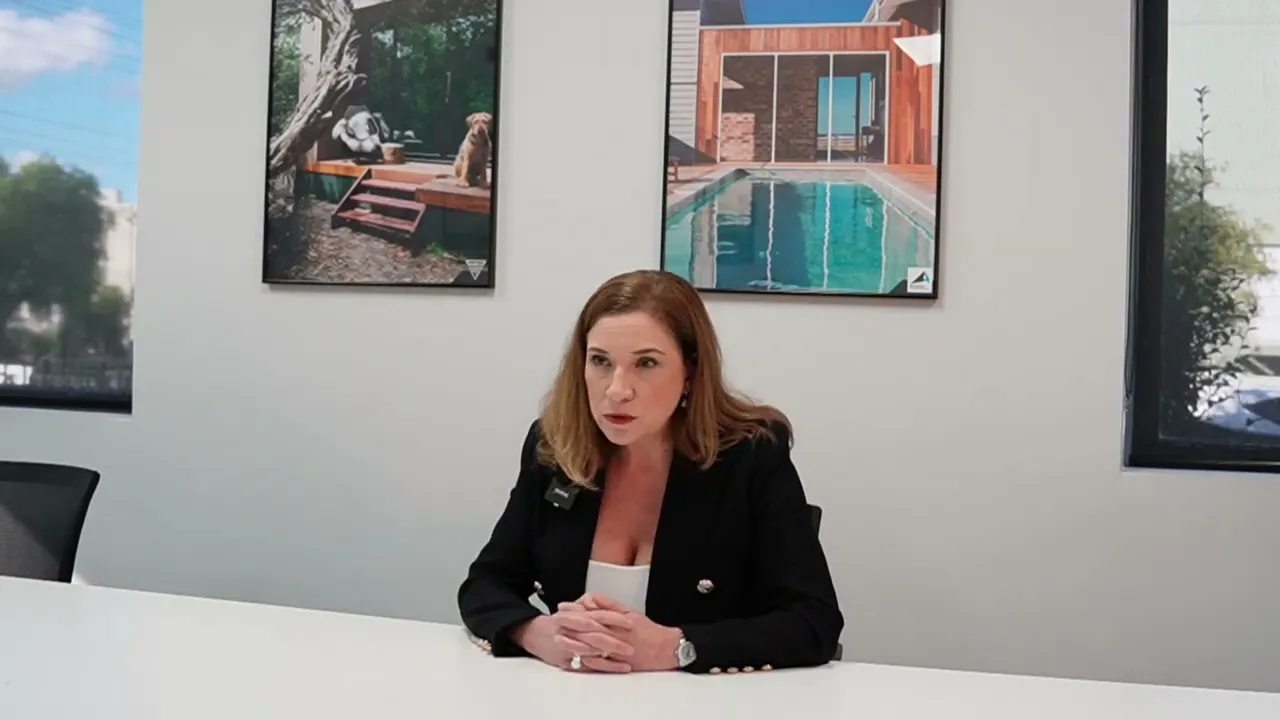
A short chat through whatever's on your mind: a tech project you're thinking about, something already underway, or a question about how to approach a problem.
Why you would hire a CTO on contract
A contract CTO is a senior technical leader engaged on terms that fit the business rather than on a permanent salary: part-time, for a fixed period, or on demand when something needs a decision. The seat is the same in every case. Own the technical direction, run the engineers and vendors, and answer to leadership for the outcome.
The companies that come to me are usually in one of three situations:
Their CTO has left, or is about to, and the search for a replacement will take months they don't have.
They have never had one, and a build, a migration or a vendor relationship has grown past what anyone in the room can evaluate.
Or they need senior technical judgement for a defined stretch: a due diligence, platform rebuild, handover to a new team.
I've stepped into 253 companies over 16 years, from pre-revenue startups to mid-market companies across Australia. I bring a 26-strong engineering team across software, AI, and cloud when the work needs one. I lead every engagement personally.
CLIENTS I'VE WORKED WITH
Part-time CTO, ongoing
A set number of days a month, for as long as the business needs it. Most of my engagements run this way, some for years. The days scale up or down as things change.
Interim or temporary CTO, covering a gap
Your CTO has resigned, or you are mid-search. I hold the seat, keep delivery moving, and hand over properly when the permanent hire starts.
Outsourced CTO, with the engineers included
26 software, AI, and cloud engineers on my team. If there is nobody to build or run what we decide on, I bring the people rather than leaving you to hire and manage a team separately.
On-demand CTO for the big tech decisions
Technical due diligence, a vendor you have lost confidence in, an architecture call before a big spend. Whatever the decision, I step in and tell you what I'd do in your shoes.
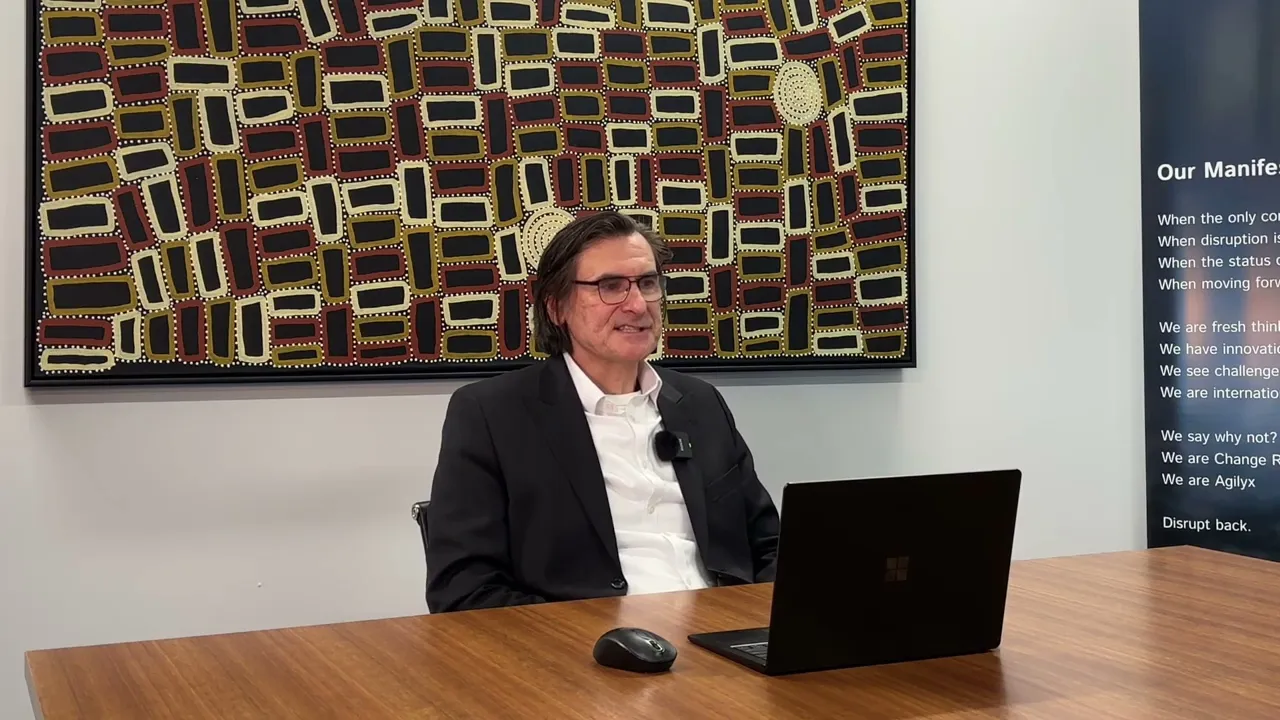




Case studies





Results


STEP 1
Book an introduction call
Send me a message or book a call below. We'll set up a video during your working day.
STEP 2
Get a plan tailored to your business
After we discuss your tech project, I'll write up what I'd focus on first and how we might work together.
STEP 3
Get started
If it makes sense, I start inside your business as a Contract CTO and meet your team.
FAQ
What's the difference between a contract CTO, a part-time CTO, an interim CTO and a fractional CTO?
Mostly the shape of the engagement. Part-time and fractional mean an ongoing arrangement for a set number of days a month. Interim and temporary mean a fixed-term placement, usually to cover a gap while you hire. Contract, outsourced, and on-demand are umbrella terms for any of those. I work in all of these shapes. What stays constant is that I take the CTO seat and am accountable for the outcome.
Our CTO has just resigned. How quickly can you start?
The first step is a conversation this week. From there I start with a short read of where the technology, team and the vendors stand, then commit to a plan. If your outgoing CTO is still in the building, I use the overlap for a proper handover rather than starting cold.
How long does an interim or temporary CTO engagement usually run?
As long as the gap. Some run three months to bridge a hiring search, some run a year through a rebuild or a transition. The engagement has a defined end and a defined handover.
What does a contract CTO cost compared to a full-time hire?
A full-time CTO usually lands between $250k and $450k a year once everything is factored in. A contract CTO is charged on day rates for the days you actually need, whether that's a few a month or a fixed-term block, at a fraction of that.
What happens if we already have an in-house engineering team or a vendor?
I work closely with them, setting direction and checking that decisions and delivery are sound. If you don't have an engineering team in place, I can bring my own team of engineers to fill that gap rather than leaving you to hire and manage one separately.