
I led the rebuild of a fragmented CMS into a platform the marketing team now runs independently
Industry
Manufacturing
Company size
50 - 200 Employees
About
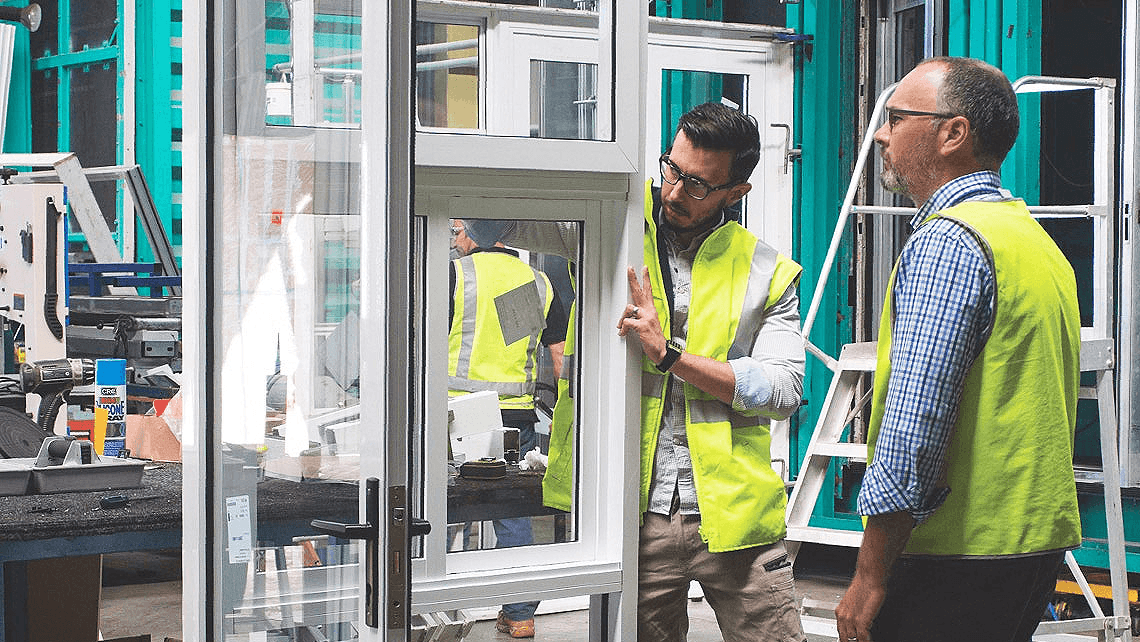
Architectural Window Systems Australia designs and manufactures highly engineered aluminium glazing solutions for residential and commercial applications, with a focus on energy efficiency, thermal performance, and compliance with strict Australian building codes.
Halcrow changed the relationship completely. They embedded directly into our infrastructure from day one — not at arm's length, not through a ticketing system, inside it. Decisions that would have taken weeks happened in a single meeting. Issues that would have cost thousands were fixed the same day.

97.3%
Product data accuracy, up from 73% under the old Content Management System
4.7 per week
Marketing team content updates published, up from 0.3 per week under the old system
The Situation
Architectural Window Systems Australia manufactures high-end windows and sliding doors, with a website and data systems sitting at the centre of a long supply chain — connecting architects who specify products and fabricators who source materials against exact specifications.
By mid-2024, Architectural Window Systems Australia saw an opportunity to modernise its digital foundation — moving toward a platform the marketing team itself could run day to day, with data accuracy strong enough that fabricators and architects could specify and order with complete confidence.
The Key Result Metric:
Strong digital transformation maturity, measured through data accuracy delivered to fabricators and architects — the foundation for confident specification and ordering across the business.
Why they called us
Angela Bevitt-Parr, the National Marketing Manager, wanted a technology partner who would work as a genuine extension of the internal team — embedded, responsive, and focused on building something the business could run independently from day one.
Halcrow was brought in specifically to build that kind of close, collaborative partnership: embedded technical access, weekly decision-making rhythm, and a commercial structure tied directly to outcomes that mattered to the business.
How we worked
How the partnership was structured differently
We embedded ourselves as an extension of the product team itself, across three fronts working at once.
Technical Embedding
From day one, we operated directly inside the company’s infrastructure — full access to development and staging environments, and administrative access to the website and product information management platform. Issues went from reported, to fixed, to deployed, in the same day when it mattered.
Decision-Making Embedding
Weekly sprint planning and review sessions with Angela and the team kept decisions moving quickly and confidently, with everyone in the room together rather than waiting on email.
Product Embedding
A meaningful share of our fees was structured as outcome-based bonuses tied directly to the Key Result Metric — aligning our success completely with the business achieving real data accuracy and integration outcomes.
Built in stages, not one big cutover
Phase 1: Foundation (July–August 2024)
We chose a modern product information management platform to anchor the new system, getting the central data layer right first. The platform was up and running in under two weeks, and the team was confidently using it within a week of that.
Phase 2: Website Rebuild (August–September 2024)
A new WordPress-based website launched first for public content, giving the marketing team the ability to edit content themselves — a meaningful and immediate improvement over the old system, which had needed a developer for every minor change.
Migrate in Reversible Steps, Not One Irreversible Leap
The website launched first for public content, with portals migrating incrementally afterward — building genuine confidence in the new system at every step of the way.
Phase 3: Portal Integration & Data Sync (September 2024–May 2026)
Through consistent monthly iteration, we built out a full sync between the website and the product data system, added smart sorting for fabricators and architects, introduced auto-generated spec sheets, and gave the marketing team the ability to manage product categories entirely on their own.
Capability Transfer Is the Real Measure of Success
By May 2026, Angela’s team was adding products, editing pages, and managing users independently — genuine operational independence, achieved as planned.

WHAT CHANGED
Now a system they run themselves
System Performance
Product data accuracy reached 97.3%, and fabricator specification accuracy improved dramatically. Content updates that used to take weeks now take under 5 minutes.
Operational Metrics
The average time to fix an issue dropped to about 3.2 days, and the marketing team’s own content publishing rose to 4.7 updates a week.
Business Impact
Fabricator reorder rates rose 34%, architect specification time dropped by 67%, and the marketing team reached complete operational independence for routine content work.
Then:
“We want a platform our own team can run, with data our fabricators and architects can fully trust.”Now:
“I added three new product categories this morning. Want to review them?”
WHY THIS WORKED
Genuine Embedding Builds Genuine Speed
Operating directly inside the company’s infrastructure, rather than at arm’s length, meant issues could go from reported to fixed within the same day.
Shared Goals Keep Everyone Focused on What Matters
Tying part of our engagement to data accuracy outcomes kept the whole team focused squarely on the results that mattered most to the business.
what you’re buying
If you’re ready to modernise your digital foundation and build a platform your own team can run with confidence, this is what that partnership looks like in practice.
Ready to build that kind of independence? Contact Sam Halcrow on 0431197004 or sam@halcrow.com.au.